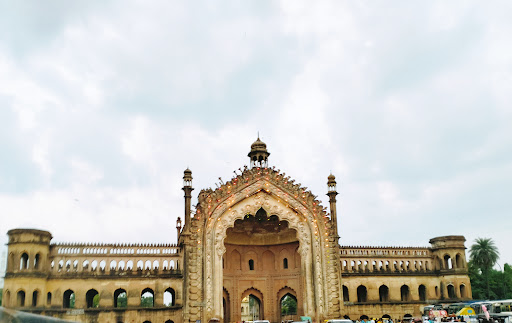
Rising majestically in the heart of Lucknow, the Rumi Darwaza stands as a iconic symbol of the city’s rich architectural heritage and cultural legacy. Built in the 18th century under the rule of Nawab Asaf-ud-Daula, this grand gateway, inspired by Turkish design, serves as a striking example of Awadhi craftsmanship and historical grandeur. As one of the most recognizable landmarks in Lucknow, the Rumi Darwaza not only marks the entrance to the old city but also embodies the enduring charm of India’s diverse and vibrant attractions.
17/11 Hussainabad Road, Lajpat Nagar Colony, Lajpat Nagar, Machchhi Bhavan, Lucknow, Uttar Pradesh 226003, India
Located in the heart of Lucknow at 17/11 Hussainabad Road, Rumi Darwaza stands as an iconic symbol of Awadhi heritage and architectural grandeur. This historic gateway, built in the 18th century, offers visitors a profound glimpse into the region’s rich cultural legacy, blending Persian and Indian design elements with remarkable symmetry and craftsmanship. Its prominent arched entrance and elevated platform make it a must-visit landmark for history enthusiasts and tourists seeking authentic experiences. Easily accessible within the bustling Lajpat Nagar area, Rumi Darwaza also serves as a vibrant hub for local gatherings and cultural events. For more insights, visit readwritetips.com/rumi-darwaza.html.
| Sunday | Open 24 hours |
| Monday | Open 24 hours |
| Tuesday | Open 24 hours |
| Wednesday | Open 24 hours |
| Thursday | Open 24 hours |
| Friday | Open 24 hours |
| Saturday | Open 24 hours |
More information
What is the historical significance of Rumi Darwaza?
The Rumi Darwaza, located in the heart of Lucknow, Uttar Pradesh, was built in 1784 by Nawab Asaf-ud-Daula as part of a large complex that included the Bara Imambara. Inspired by Turkish architecture, particularly the gates of Constantinople, the 60-foot tall structure served both ceremonial and symbolic purposes, representing the grandeur of Awadhi culture. Its name, meaning Turkish Gate, reflects the cultural connection to Rum, the historical term for the region of modern-day Turkey.
Where is Rumi Darwaza located and how can visitors access it?
The Rumi Darwaza is situated at 17/11 Hussainabad Road, Lajpat Nagar, near the Bara Imambara in central Lucknow. It is easily accessible by public transport, auto-rickshaws, or taxis, and lies within a major tourist circuit that includes landmarks like the Chota Imambara and the Nawab’s Residency. Its central location makes it a convenient stop for travelers exploring the cultural heritage of Uttar Pradesh.
Why is Rumi Darwaza a popular tourist attraction in India?
Rumi Darwaza stands out as a symbol of Awadhi architecture and is celebrated for its unique blend of Indian and Islamic design elements. Tourists are drawn to its imposing arch, intricate stonework, and historical relevance, often capturing photos against its grand facade. With a visitor rating of 4.5 stars, it remains one of Lucknow’s most iconic landmarks and a must-see for those interested in historical monuments and Mughal-era craftsmanship.
What architectural style defines the Rumi Darwaza?
The Rumi Darwaza showcases Awadhi architecture with strong influences from Islamic and Turkish design traditions. Rising to a height of 60 feet, the gateway features an imposing arched entrance, ornate floral carvings, and a domed kiosk (chhatri) at the top, characteristic of 18th-century Lucknowi craftsmanship. Its symmetrical layout and use of local materials like clay bricks and stucco highlight the ingenuity of regional builders during the Nawabi era.