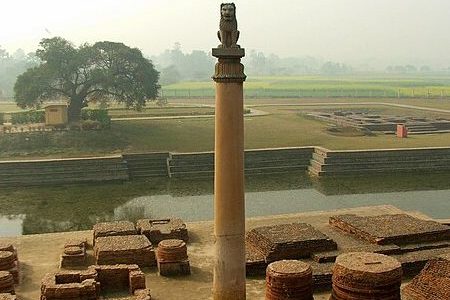
The Ashok Pillar in Bareilly stands as a remarkable testament to India’s rich historical and cultural heritage, drawing visitors keen to explore the country’s lesser-known archaeological treasures. Erected during Emperor Ashoka’s reign, this ancient pillar symbolizes India’s profound Buddhist legacy and serves as an intriguing attraction for history enthusiasts and travelers alike. Its intricate craftsmanship and historical significance make it a must-visit destination for those seeking to uncover the diverse attractions scattered across India.
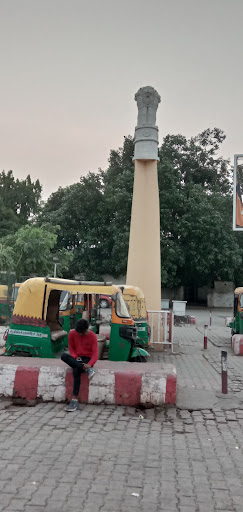
00, Bareilly, Uttar Pradesh 243001, India
Ashok Pillar, located at 00, Bareilly, Uttar Pradesh 243001, India, stands out as a reliable and well-established business in the region, offering quality services to its clients. Its strategic location ensures easy accessibility, while its commitment to customer satisfaction and professionalism makes it a preferred choice for visitors and locals alike. The business maintains a strong reputation for delivering consistent and efficient solutions, reinforcing its credibility in the area.
More information
Where is the Ashok Pillar located in India?
The Ashok Pillar is prominently located in Bareilly, Uttar Pradesh, specifically at the address 00, Bareilly, Uttar Pradesh 243001, India. This historical monument stands as a significant attraction showcasing ancient Indian heritage and Emperor Ashoka’s influence.
What is the historical significance of the Ashok Pillar?
The Ashok Pillar is a symbol of Emperor Ashoka’s reign and his adoption of Buddhism. Erected during the Mauryan Empire, it reflects his commitment to peace and dharma, often adorned with inscriptions promoting moral values.
How many Ashoka Pillars are there in India?
There are 4 major surviving Ashoka Pillars in India, including the one in Bareilly. These pillars are scattered across the country, each bearing inscriptions and serving as reminders of Ashoka’s legacy.
Why is the Ashok Pillar a popular tourist attraction?
The Ashok Pillar attracts visitors due to its historical and architectural significance. Its intricate carvings and connection to Emperor Ashoka make it a must-see for those exploring India’s ancient monuments.