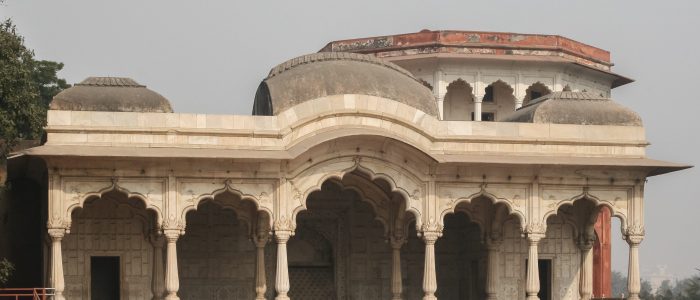
The Shahi Burj, an elegant and historically significant structure in Agra, stands as a testament to India’s rich Mughal architectural heritage. Located near the iconic Agra Fort, this octagonal tower once served as a private retreat for emperors, offering breathtaking views of the Yamuna River. As one of the many lesser-known yet fascinating attractions in India, the Shahi Burj invites visitors to explore its intricate design and the stories embedded within its walls, adding depth to Agra’s reputation as a city of timeless monuments.
SH 62, Agra Fort, Rakabganj, Agra, Uttar Pradesh 282003, India
Located near the historic Agra Fort, Shahi Burj offers a prime location for travelers exploring the cultural heart of Agra, with easy access to iconic landmarks like the Taj Mahal. Its proximity to SH 62 ensures convenient connectivity, while the surrounding area of Rakabganj provides a glimpse into local life. Whether for leisure or business, the establishment stands out for its strategic positioning and immersion in the rich heritage of Uttar Pradesh.
More information
Where is Shahi Burj located?
The Shahi Burj is situated within the premises of Agra Fort, specifically at SH 62, Rakabganj, Agra, Uttar Pradesh 282003, India. This historic structure is a prominent part of the fort’s architectural ensemble and offers visitors a glimpse into Mughal-era grandeur.
What is the significance of Shahi Burj?
The Shahi Burj served as a private retreat and royal pavilion for Mughal emperors, particularly during the reign of Shah Jahan. Its octagonal design and strategic location within Agra Fort highlight its importance as a space for relaxation and governance.
Is Shahi Burj worth visiting?
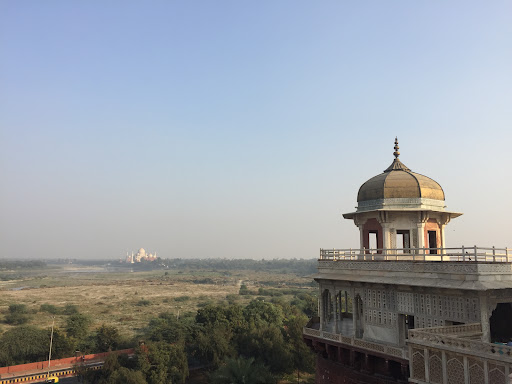
With a 4.5 rating, the Shahi Burj is highly recommended for its historical and architectural value. Visitors appreciate its intricate details, serene ambiance, and the panoramic views it offers of the surrounding fort complex and the Yamuna River.
What are the nearby attractions to Shahi Burj?
The Shahi Burj is close to other iconic landmarks like the Taj Mahal, Diwan-i-Khas, and Jahangiri Mahal within Agra Fort. Exploring these sites provides a deeper understanding of the Mughal Empire’s cultural and architectural legacy.