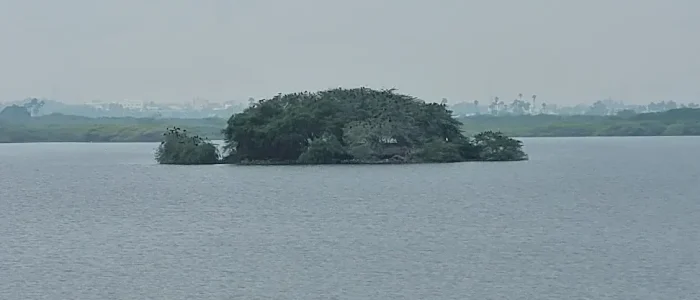
The Nanjarayan Tank Bird Sanctuary in Tiruppur is a hidden gem among India’s diverse attractions, offering a serene escape for nature lovers and birdwatchers alike. This tranquil wetland habitat serves as a vital stopover for migratory birds, showcasing a rich variety of avian species against the backdrop of lush greenery. As one of Tamil Nadu’s lesser-known ecological treasures, it provides visitors with a peaceful retreat while highlighting the importance of conservation in rapidly urbanizing regions.

49JR+2G, Tiruppur, Tamil Nadu 641666, India
The Nanjairayankulam Bird Sanctuary in Tiruppur, Tamil Nadu (49JR+2G) offers a serene escape for nature enthusiasts, featuring a diverse ecosystem that attracts numerous migratory and native bird species. Its well-maintained trails and observation points provide excellent opportunities for birdwatching and photography, while the peaceful surroundings make it ideal for relaxation. The sanctuary’s strategic location near urban amenities ensures convenience without compromising its natural charm, making it a must-visit destination for wildlife lovers.
More information
Where is Njanjariyankulam Bird Sanctuary located?
The Njanjariyankulam Bird Sanctuary is situated at 49JR+2G, Tiruppur, Tamil Nadu 641666, India, offering a serene escape for birdwatching enthusiasts and nature lovers in the region.
What makes Njanjariyankulam Bird Sanctuary a notable attraction?
This sanctuary is renowned for its diverse avian population, providing a peaceful habitat for migratory and resident birds, making it a must-visit spot for wildlife photographers and eco-tourists.
How is the visitor experience rated at Njanjariyankulam Bird Sanctuary?
With a rating of 4.2, visitors praise the sanctuary for its tranquil atmosphere, well-maintained trails, and opportunities to observe rare bird species in their natural environment.
Are there any entry fees or restrictions at Njanjariyankulam Bird Sanctuary?
While specific details may vary, the sanctuary generally offers free or nominal entry fees, with guidelines to ensure minimal disturbance to the wildlife ecosystem during visits.