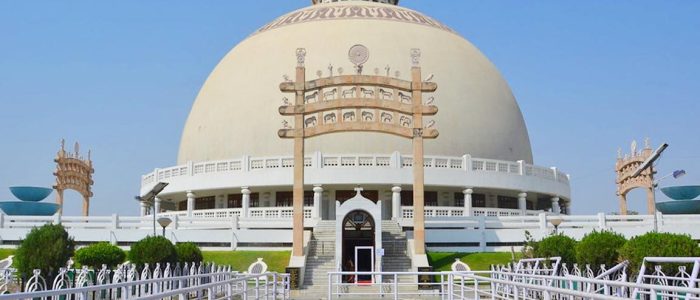
Rising as a symbol of spiritual awakening and social transformation, the Deekshabhoomi Stupa in Nagpur stands as one of India’s most significant Buddhist pilgrimage sites. Located in the heart of central India, this monumental stupa marks the sacred ground where Dr. B.R. Ambedkar, a revered architect of the Indian Constitution, embraced Buddhism in 1956 along with hundreds of thousands of followers, making it a cornerstone of the neo-Buddhist movement in modern India. With its striking architecture inspired by the Mahabodhi Temple of Bodh Gaya and its profound historical resonance, Deekshabhoomi draws visitors from across the country and beyond, offering not only a glimpse into India’s rich cultural and religious diversity but also a powerful testament to equality and human rights.
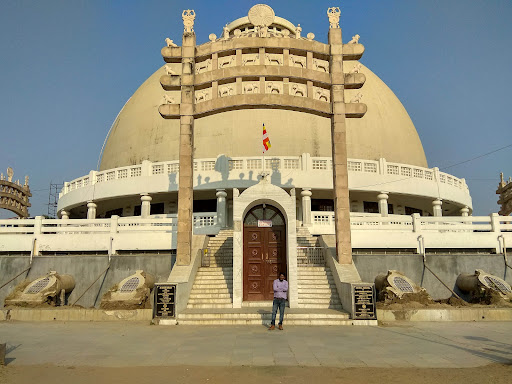
S Ambazari Rd, Abhyankar Nagar, Nagpur, Maharashtra 440020, India
Located on S Ambazari Rd in Abhyankar Nagar, Nagpur, Deekshabhoomi Stupa stands as a monumental symbol of spiritual transformation and social reform, attracting visitors and pilgrims from across the globe. This monumental Buddhist stupa, one of the largest in Asia, commemorates the historic mass conversion to Buddhism led by Dr. B.R. Ambedkar in 1956, making it a cornerstone of religious significance and cultural heritage. Its serene ambiance, striking architecture, and deep historical value offer a powerful experience for those interested in philosophy, history, and peace. Managed through the official site deekshabhoomi.org, the site ensures structured access, educational resources, and visitor support, reinforcing its role as a center for learning and reflection.
| Sunday | 7 AM–8 PM |
| Monday | 7 AM–8 PM |
| Tuesday | 7 AM–8 PM |
| Wednesday | 7 AM–8 PM |
| Thursday | 7 AM–8 PM |
| Friday | 7 AM–8 PM |
| Saturday | 7 AM–8 PM |
More information
What is the historical significance of Deekshabhoomi Stupa in Nagpur?
Deekshabhoomi Stupa is a major Buddhist pilgrimage site where Dr. B.R. Ambedkar, a key architect of the Indian Constitution, embraced Buddhism along with hundreds of thousands of followers on October 14, 1956. This monumental event marked a turning point in the social and religious history of India, promoting equality and social justice. The stupa was later built to honor this conversion and stands as a symbol of liberation and empowerment for millions of Dalits and marginalized communities across the country.
Why is Deekshabhoomi considered one of the important attractions in India?
Deekshabhoomi is recognized as one of India’s most important spiritual and cultural landmarks due to its deep connection with the modern Buddhist movement and social reform. Unlike traditional religious sites, it represents a contemporary awakening rooted in dignity and human rights. Its architectural grandeur, combined with its powerful historical narrative, draws visitors from all over the world, making it a key destination among attractions in India that celebrate both faith and social transformation.
What can visitors expect when touring Deekshabhoomi Stupa?
Visitors to Deekshabhoomi can explore the massive hemispherical stupa, one of the largest in Asia, surrounded by peaceful gardens and meditation halls. The site includes a library and exhibition area detailing Dr. Ambedkar’s life and the Buddhist conversion movement. Peaceful chants, serene surroundings, and a strong sense of reverence create a unique atmosphere, ideal for reflection and learning. The site’s layout encourages quiet contemplation, making it a profound experience for both spiritual seekers and history enthusiasts.
How accessible is Deekshabhoomi Stupa for tourists visiting Nagpur?
Located just off S Ambazari Road in Abhyankar Nagar, Deekshabhoomi is easily accessible by car, taxi, or public transportation from central Nagpur. The site welcomes visitors daily, and its official website, http://www.deekshabhoomi.org/, provides updated information on hours, events, and visitor guidelines. With a visitor rating of 4.5 stars, it is highly recommended for those exploring the region. Its well-maintained grounds and clear signage make it a tourist-friendly destination that accommodates both domestic and international travelers.