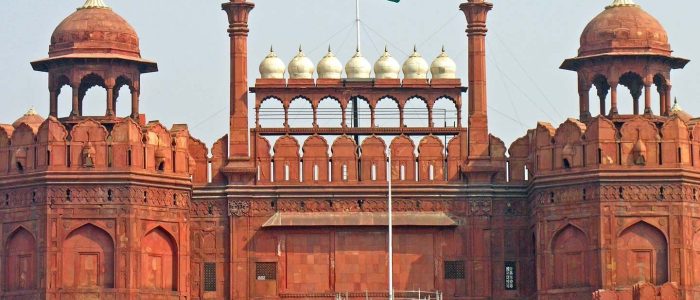
Located in the heart of Old Delhi, the Red Fort stands as a monumental symbol of India’s rich history and architectural grandeur, drawing visitors from around the world to explore its majestic sandstone walls and intricate Mughal design. Built by Emperor Shah Jahan in the 17th century, this UNESCO World Heritage Site not only reflects the power and artistry of the Mughal Empire but also plays a central role in India’s cultural and political identity, serving as the backdrop for the nation’s Independence Day celebrations every year. As one of the most iconic attractions in India, the Red Fort offers a captivating journey through time, where ancient history and national pride converge.
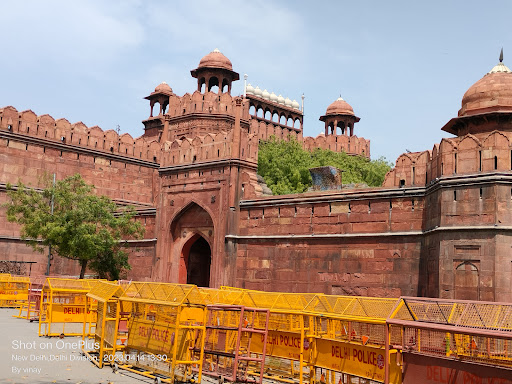
Netaji Subhash Marg, Lal Qila, Chandni Chowk, New Delhi, Delhi, 110006, India
Located at Netaji Subhash Marg, Lal Qila, Chandni Chowk, New Delhi, the Red Fort stands as a monumental symbol of India’s rich history and architectural grandeur. Recognized as a UNESCO World Heritage Site, this 17th-century fortress was constructed by Emperor Shah Jahan and showcases exceptional Mughal design with its red sandstone walls, intricate palaces, and expansive gardens. Its strategic location along the Yamuna River and cultural significance make it a major tourist attraction and a vital center for national celebrations, including India’s Independence Day. Managed by the Archaeological Survey of India (https://asi.nic.in/pages/WorldHeritageRedFort), the site ensures well-preserved heritage and an immersive historical experience, reinforcing its status as a cultural landmark and an essential destination in Delhi.
More information
What is the historical significance of the Red Fort in India?
The Red Fort, also known as Lal Qila, is a monumental symbol of India’s rich history and architectural grandeur, located in New Delhi. Built by the Mughal Emperor Shah Jahan in the 17th century, it served as the main residence of the Mughal emperors for nearly 200 years. Its construction began in 1638 when Shah Jahan decided to shift his capital from Agra to Delhi, naming it Shahjahanabad. The fort’s massive red sandstone walls reflect the peak of Mughal architecture, blending Persian, Timurid, and Indian styles. Today, it stands as a powerful reminder of India’s imperial past and its journey to independence, being the site where the Prime Minister hoists the national flag every Independence Day.
Where is the Red Fort located and how can visitors access it?
The Red Fort is situated at Netaji Subhash Marg, in the bustling neighborhood of Chandni Chowk, Delhi, with the postal code 110006, India. It is easily accessible by public transportation, including the Delhi Metro, with the nearest station being Chandni Chowk Metro Station on the Yellow Line. The location places it in the heart of Old Delhi, making it convenient for tourists exploring other historic sites nearby. Visitors can also reach the monument by taxi, auto-rickshaw, or bus, and it is well-signposted throughout the city. Its central position makes it a key highlight among attractions in India for both domestic and international travelers.
Why is the Red Fort recognized as a UNESCO World Heritage Site?
The Red Fort was designated a UNESCO World Heritage Site in 2007 due to its outstanding cultural and historical value, as recognized by the Archaeological Survey of India (ASI), which manages the site (https://asi.nic.in/pages/WorldHeritageRedFort). The fort exemplifies the grandeur of Mughal architecture and served as a political and ceremonial center during one of India’s most influential empires. Its fortified walls, palaces, gardens, and intricate artwork reflect a unique fusion of design and urban planning. The site also represents pivotal moments in Indian history, including the country’s struggle for independence. This recognition helps ensure the preservation and protection of the monument for future generations.
What do visitor reviews say about the Red Fort experience?
The Red Fort holds an impressive average rating of 4.5 stars from thousands of visitors, reflecting its status as one of the most admired attractions in India. Tourists frequently praise the fort’s majestic architecture, expansive courtyards, and immersive light and sound show that narrates its historical journey. Many highlight the well-maintained pathways, informative signage, and the sense of awe upon entering through the grand Lahori Gate. Some note the crowds during peak seasons but agree that the cultural and historical depth makes it a must-visit destination. Overall, the feedback underscores its importance as a symbol of national pride and architectural brilliance.