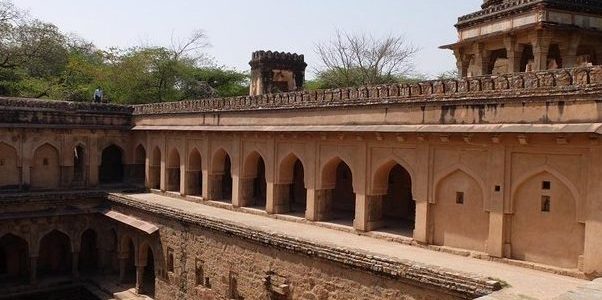
Tucked away in the bustling city of Delhi, Mehrauli Archaeological Park stands as a hidden gem among India’s rich tapestry of historical attractions. Spanning over 200 acres, this sprawling park preserves more than a thousand years of history, showcasing a remarkable collection of monuments, tombs, stepwells, and temples from the Delhi Sultanate and Mughal eras. As one of the earliest urban settlements in Delhi, Mehrauli offers visitors a serene journey through time, where ancient architecture blends seamlessly with lush greenery. For travelers seeking to explore India’s layered past beyond the well-trodden paths, the park serves as an open-air museum that captures the evolution of Indian civilization in the heart of the modern capital.
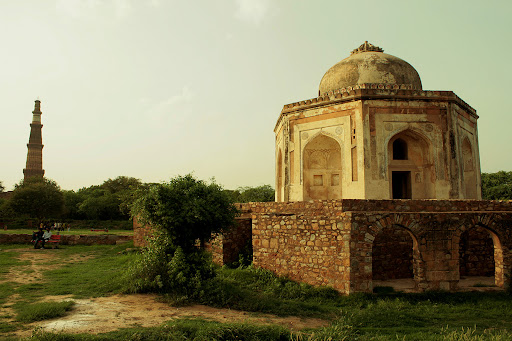
Anuvrat Marg, opposite Qutab Minar Metro Station, Christian Colony, Mehrauli, New Delhi, Delhi 110030, India
The Mehrauli Archaeological Park Tour Guide offers an exceptional heritage experience in the heart of New Delhi, located at Anuvrat Marg, opposite Qutab Minar Metro Station. This meticulously curated walk through centuries of history highlights the rich cultural tapestry of Mehrauli, showcasing medieval monuments, forgotten tombs, and ancient flora, all interconnected by fascinating narratives. Led by knowledgeable experts, the guided tour enhances visitor understanding of Delhi’s layered past, emphasizing preservation, architecture, and local legacy. Accessible and immersive, the experience through gowithharry.com ensures an engaging journey ideal for history enthusiasts and curious travelers alike.
| Sunday | 6:30 AM–6 PM |
| Monday | 6:30 AM–6 PM |
| Tuesday | 6:30 AM–6 PM |
| Wednesday | 6:30 AM–6 PM |
| Thursday | 6:30 AM–6 PM |
| Friday | 6:30 AM–6 PM |
| Saturday | 6:30 AM–6 PM |
More information
What makes Mehrauli Archaeological Park a unique heritage site in India?
Mehrauli Archaeological Park stands out among attractions in India due to its rich tapestry of historical layers, showcasing monuments from the Delhi Sultanate, Mughal era, and even colonial periods, all within a single green space. Unlike typical tourist spots, this park offers a living timeline of architectural evolution, with over 100 protected structures, including tombs, stepwells, and mosques, nestled among natural foliage. Its location near the iconic Qutub Minar adds to its significance, making it a must-visit for history enthusiasts seeking an immersive experience beyond mainstream heritage sites.
How can visitors access the Mehrauli Archaeological Park in New Delhi?
The park is conveniently located at Anuvrat Marg, opposite the Qutab Minar Metro Station, making it easily reachable by public transport for both locals and tourists. Visitors can exit at the yellow line station and find the entrance just across the road, near Christian Colony in Mehrauli. Its central location in South Delhi allows for smooth integration into broader itineraries focused on Delhi’s historical circuit, and guided tours—like those offered by GoWithHarry—often begin right at the metro exit for added convenience.
Are guided tours available for Mehrauli Archaeological Park?
Yes, guided heritage walks are regularly organized by experienced local experts, with platforms like GoWithHarry offering structured tours that bring the park’s history to life. These tours typically last 2–3 hours and provide in-depth narratives about forgotten dynasties, architectural symbolism, and the cultural significance of sites like Jamali Kamali Mosque and Rajon Ki Baoli. With a strong 4.4 rating based on visitor feedback, these walks are praised for their engaging storytelling and ability to uncover hidden details not found in guidebooks.
What are the key historical attractions inside Mehrauli Archaeological Park?
The park houses several notable monuments, including the Gardens of Zafar, the 14th-century Rajon Ki Baoli stepwell, and the enigmatic Jamali Kamali Mosque and Tomb dedicated to a Sufi saint and poet. Other highlights include the Chhote Khan Baba shrine, Balban’s Tomb—one of the earliest examples of true arches in India—and remnants of Mughal-era gardens. Each structure reflects a different period of Delhi’s dynastic past, making the park a compact yet comprehensive showcase of centuries-old Indian heritage.